
AI Impact: The Anatomy of an Agentic Organisation

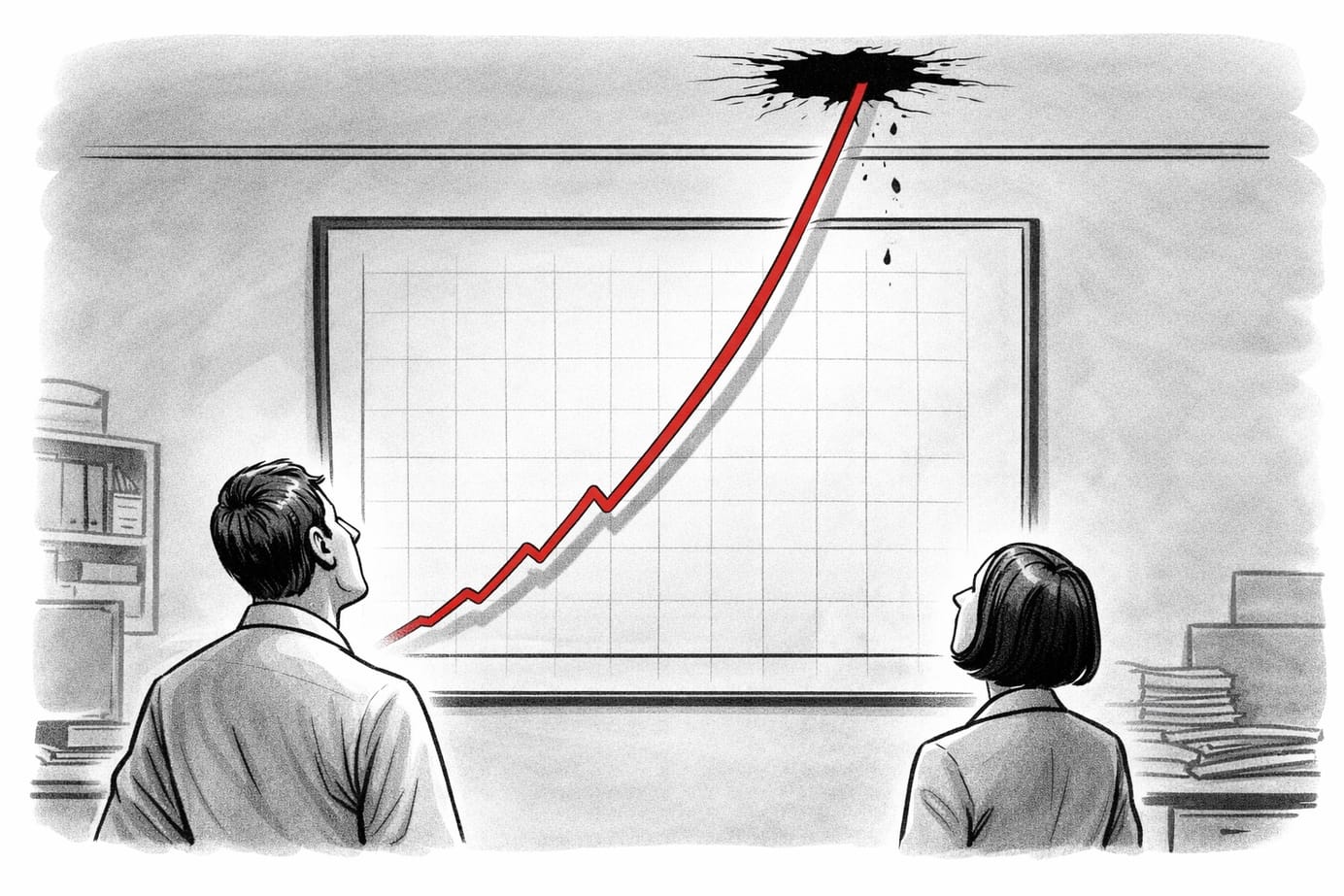
Every week, someone pitches me an AI solution that will "transform" our business – ironically, often in the form of a badly personalised AI email. That said, it is undeniable that many vendor AI demos are impressive. ROI projections are hard to argue with. And yet, the graveyard of failed enterprise AI initiatives is overflowing. A chorus of CFOs ask: where can I see this AI dividend in my P&L?
The best AI models in the world are remarkable. They can reason through complex problems, synthesise vast amounts of information, and generate insights that would take a human days to produce. But drop an AI model into the typical enterprise environment – read: surrounded by legacy technology and conventional processes – and watch it struggle. The problem is not the technology itself; it is the fact that these agents are blind and paralysed.
An analogy I have been using for a while is this: think of an organisation as a living body. Among other elements, it needs four key components to work:
The Brain. This is the large language model (LLM) you have picked – the reasoning engine capable of making decisions. Most enterprises obsess over this part. They usually should not. The brain is increasingly commoditised, and frankly, most business problems do not require frontier-model intelligence.
The Nervous System. The brain needs context to make good decisions. Your eyes do not just see; they interpret. Your proprioception tells you where your limbs are without looking. Similarly, an AI agent is only as smart as the data context it can access. Customer segmentation based on transactions alone is fine. Add behavioural signals — such as browsing patterns, support interactions, purchase timing – and suddenly you have genuine intelligence.
Without understanding your merchandising nuances, your margin structures, your stock positions, even the smartest model will make dumb decisions. Importantly, this is not just about data quality metrics – despite what data vendors would have you believe! Instead, it is about creating a digital twin of a business unit through data context; using the same definitions, language, and hierarchies. After all, the model should be able to understand the organisation through reading and interpreting these data models.
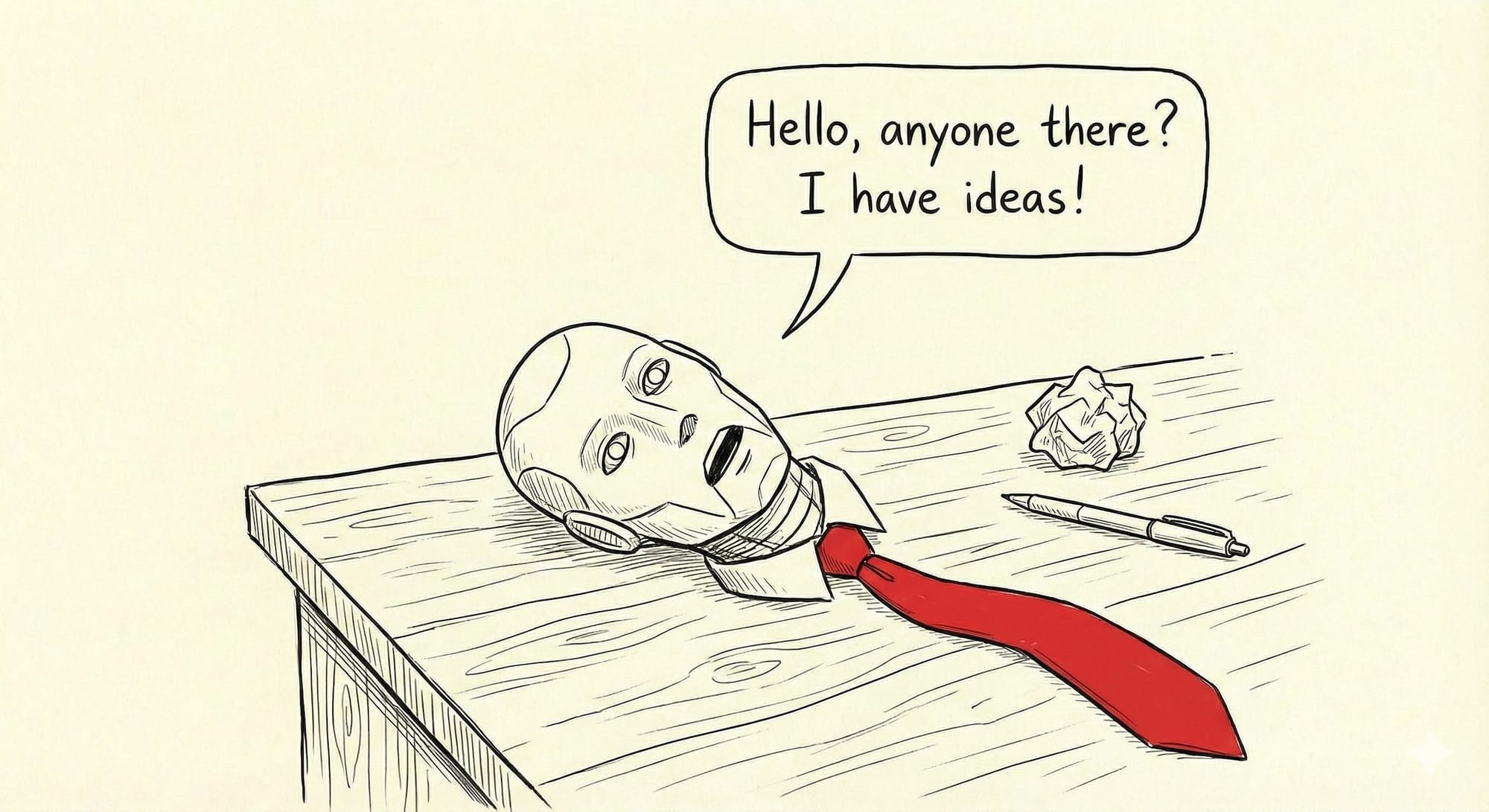
The Muscles. No muscles, no action. This is where most enterprise AI projects quietly die. You can have perfect reasoning and perfect context, but if your agent cannot do anything – adjust a price, trigger a restock, modify a customer journey – then you have built a very expensive advisory capability that employees will tend to ignore. These integrations need to be automated, real-time, and comprehensive. Anything less and you are just creating more work for humans.
The Skeleton. Muscles need something to anchor onto. If your processes are brittle or your operating model is misaligned, AI will not enhance your organisation; instead it will tear it apart. I have seen companies bolt sophisticated AI onto fundamentally broken workflows, then blame the technology when it fails. The skeleton should be shaped by what the brain, muscles, and nerves need to achieve. This is why AI transformation is really organisational transformation.
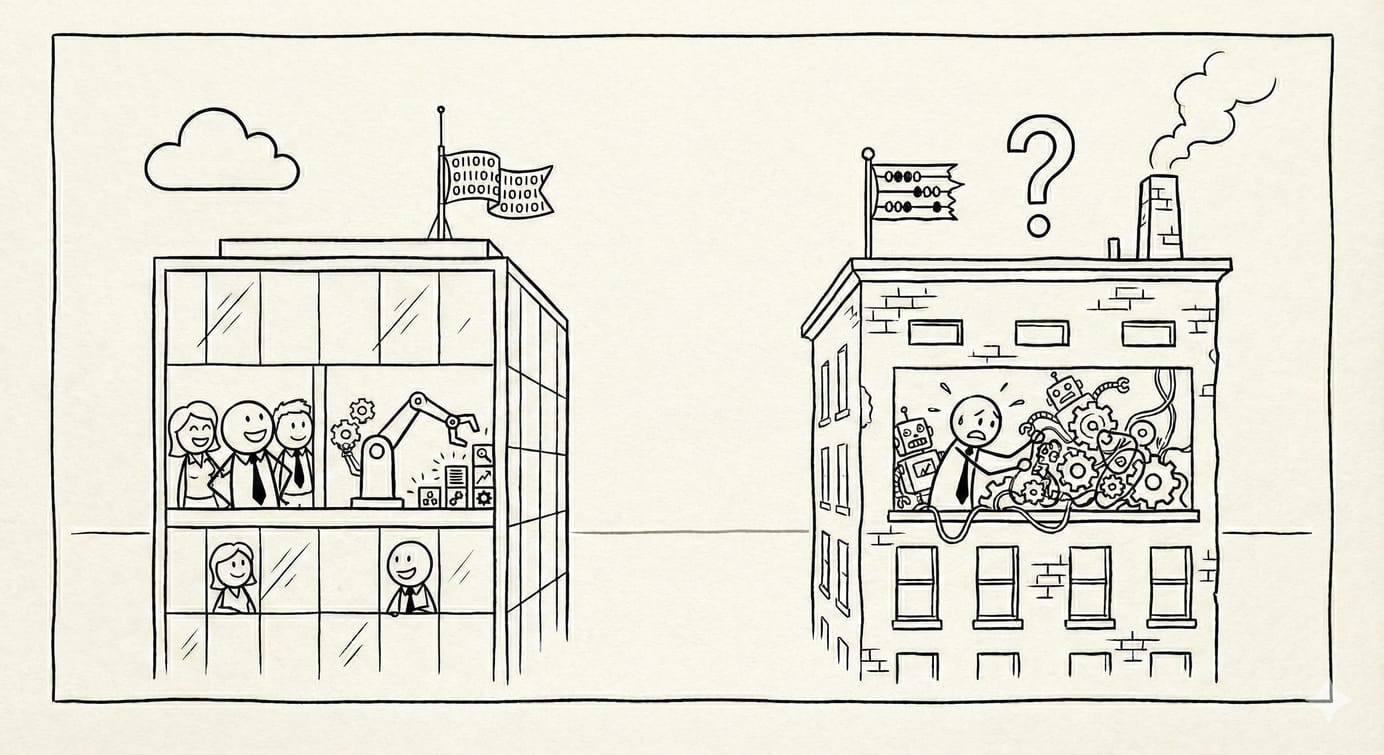
This anatomy explains why off-the-shelf AI solutions rarely deliver. They are selling you a brain and hoping you will figure out the rest. But without deep integration into your data, your systems, and your ways of working, they will never outperform a consumer AI tool– no matter what you spend.
Executives need to face facts: building an agentic organisation is tough. It requires confronting how your business actually operates, not how your org chart says it should. It means investing in the unsexy work of data quality, API integrations, and process redesign. You need to tackle all of these points in concert. The good news is that while this journey is challenging, it is not complex – what needs to be done is clear; leaders just need to get on and do it.
The prize is worth the effort: an organisation where AI does not just provide advice but acts. Where a single agent can handle the admin that currently consumes your managers' days. Where demand planning happens in real-time rather than weekly cycles. Where customer journeys adapt autonomously to individual behaviour. These promises are finally within reach.
The technology is ready. The question is whether we are.
– Ryan
P.S. In April I will be running the London Marathon for the NSPCC, the UK's leading children's charity. If you have enjoyed my writing, would you consider making a donation to this worthy cause? Every donation helps protect children.
Cover image by Gemini.

Q* - Qstar.ai Newsletter
Join the newsletter to receive the latest updates in your inbox.