Looking Ahead to AI in 2026: A Tale of Two Corporations

"It was the best of times, it was the worst of times, it was the age of wisdom, it was the age of foolishness, it was the epoch of belief, it was the epoch of incredulity [..] in short, the period was so far like the present period..."
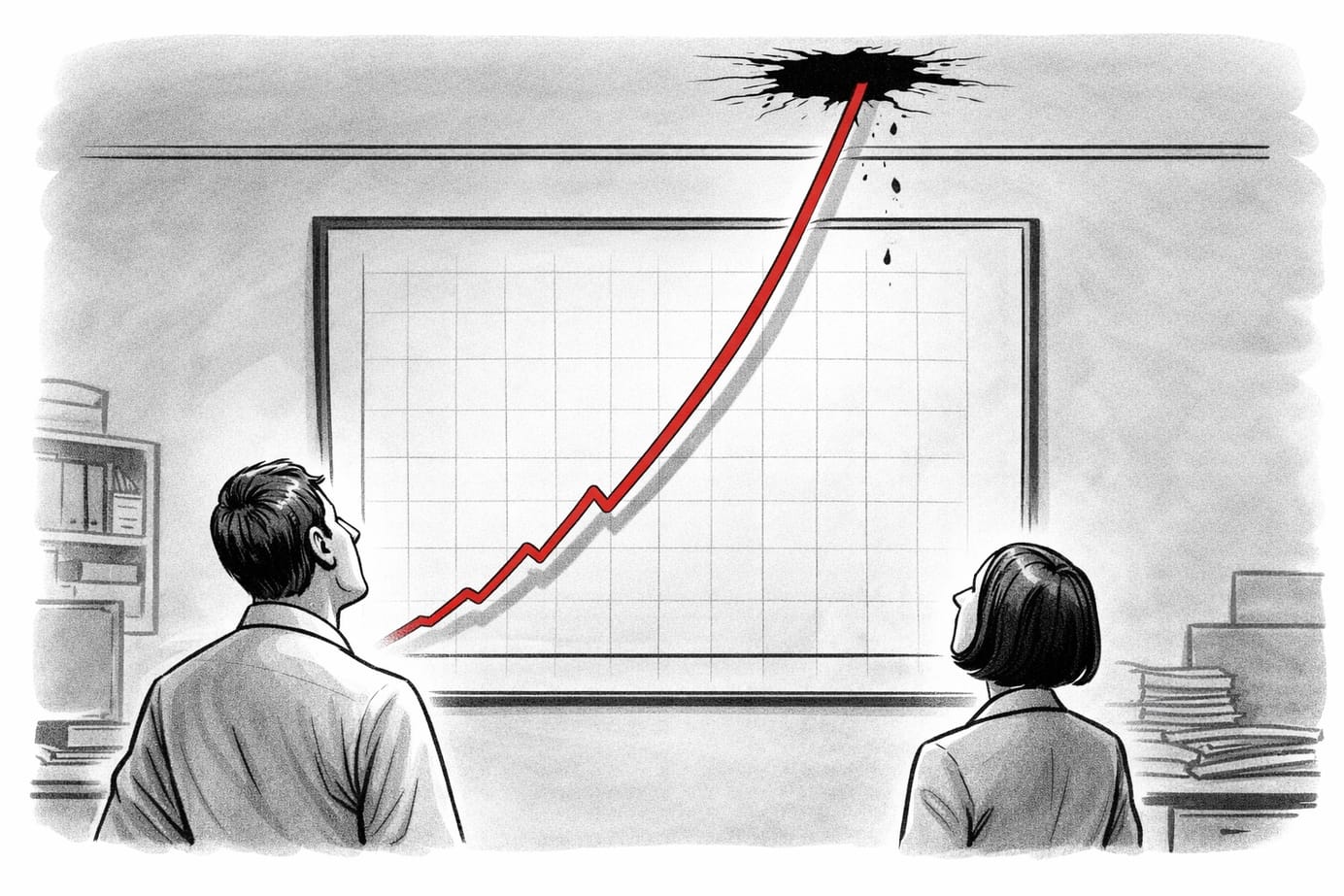
When Charles Dickens wrote these words in the 1850s, he could very well have been describing 2025 and the state of artificial intelligence. Depending on what you have been reading, we are either on the cusp of a new industrial revolution, about to unlock untold wealth and benefit for society, or we are in the midst of the 'bubble to end all bubbles', and sleepwalking into a global recession. With the AI-led Magnificent Seven stocks making up 35% of the S&P 500 by weight, one cannot argue about AI's economic predominance. So, what happens next?
To answer this question requires applying both a financial and a technological lens. For the former, I can recommend Howard Marks' excellent investment note "Is it a bubble?" Marks argues that we are seeing irrational exuberance and speculative risk, raising the probability of short-term wealth destruction, but recognises that the massive capital currently being deployed is building the necessary infrastructure required for AI in future. Which leads us to the second question: what could this AI future look like, and how will it shape organisations?
It is worth considering here the incredible progress that has been made in the last three years when it comes to artificial intelligence systems, primarily in the areas of generative pre-trained transformers (like ChatGPT), diffusions models (like Midjourney), chain-of-thought reasoning (read: smarter answers), and multimodal architectures that allow a single model to natively process text, vision, audio, and code inputs. In the words of Wharton professor Ethan Mollick:
Three years ago, we were impressed that a machine could write a poem about otters. Less than 1,000 days later, I am debating statistical methodology with an agent that built its own research environment. The era of the chatbot is turning into the era of the digital coworker.
This reflection reveals a stark truth: a significant number of tasks, processes, and roles historically performed by humans can now be performed by AI. This opens the door to large-scale labour replacement – even without further AI developments or improvements in model performance. This does not mean that AI can replace any role, nor that it can operate without supervision, but from an organisational design principle this is largely irrelevant. Executives will recognise that some employees require supervision, and some roles require specialists.
With the outsize investment in AI data centres and hardware and software dedicated to inference (read: running AI models instead of training them) one can can assume today's models will become an order of magnitude faster and cheaper. If 2025 was the year of training (read: creating) AI models, 2026 will be the year of inference. For early evidence, see Nvidia's $20bn Groq acquisition. In layman's terms, AI is going to get significantly better and more cost-effective.
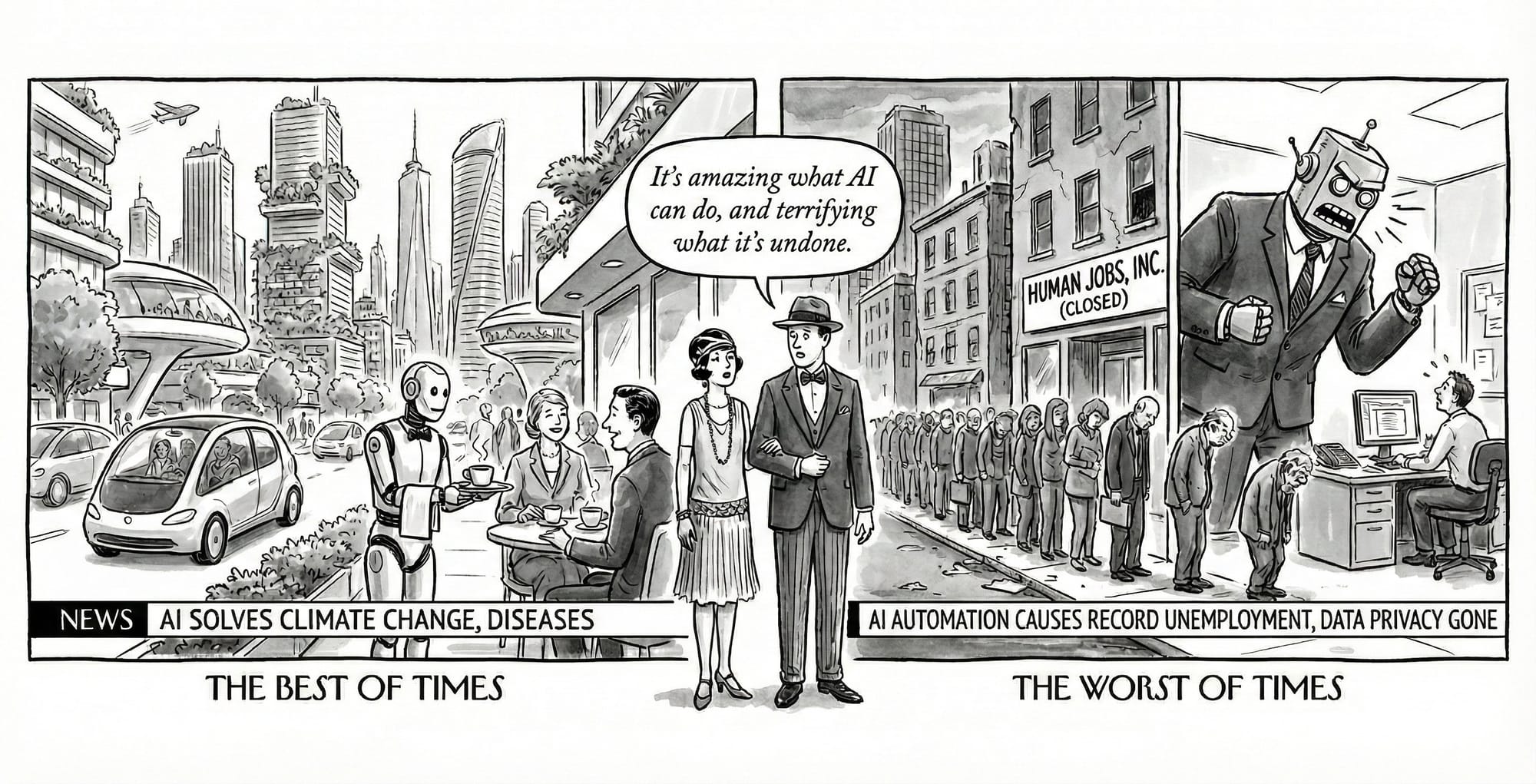
So will this AI future herald the best of times, or the worst of times?
Based on my observations, two factors will shape this in practice. The first one is simple: if you replace human labour, how to you share these benefits? Do you reinvest this human capital in value-added tasks, like turning a reactive customer care agent into a proactive personal shopper – or do you bank the profit? As organisations transform they will need to strike a balance between the two, lest they either forgo efficiency gains, or face a potential backlash from employees.
The second factor is more complex: to what extent are organisations willing to transform? Yes, ability matters, but unlike previous waves of technology that were mostly additive to existing (white-collar) roles, this time round the changes for many are existential. The exam question is this: if you were building a business today, which departments would you design to be AI-first? Finance is a great example; in many contexts over half its roles are obviated by agentic AI.
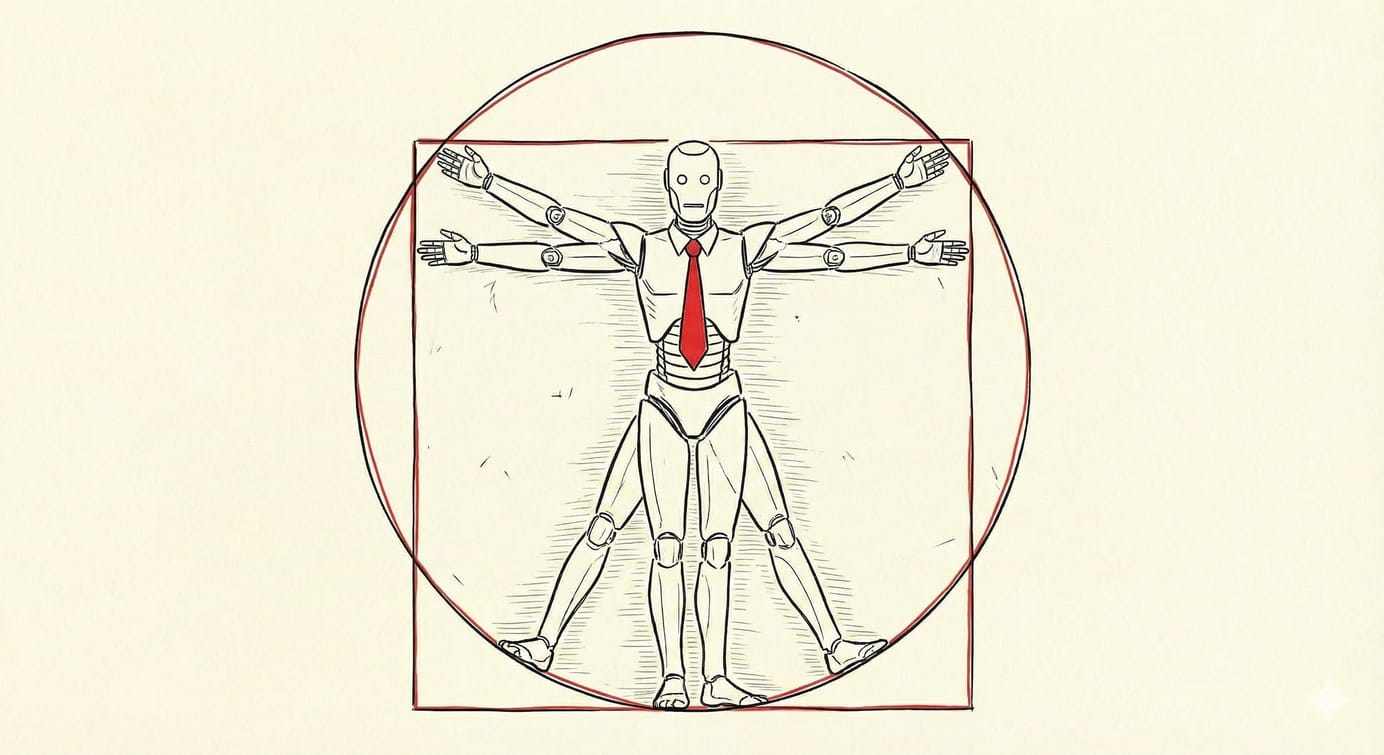
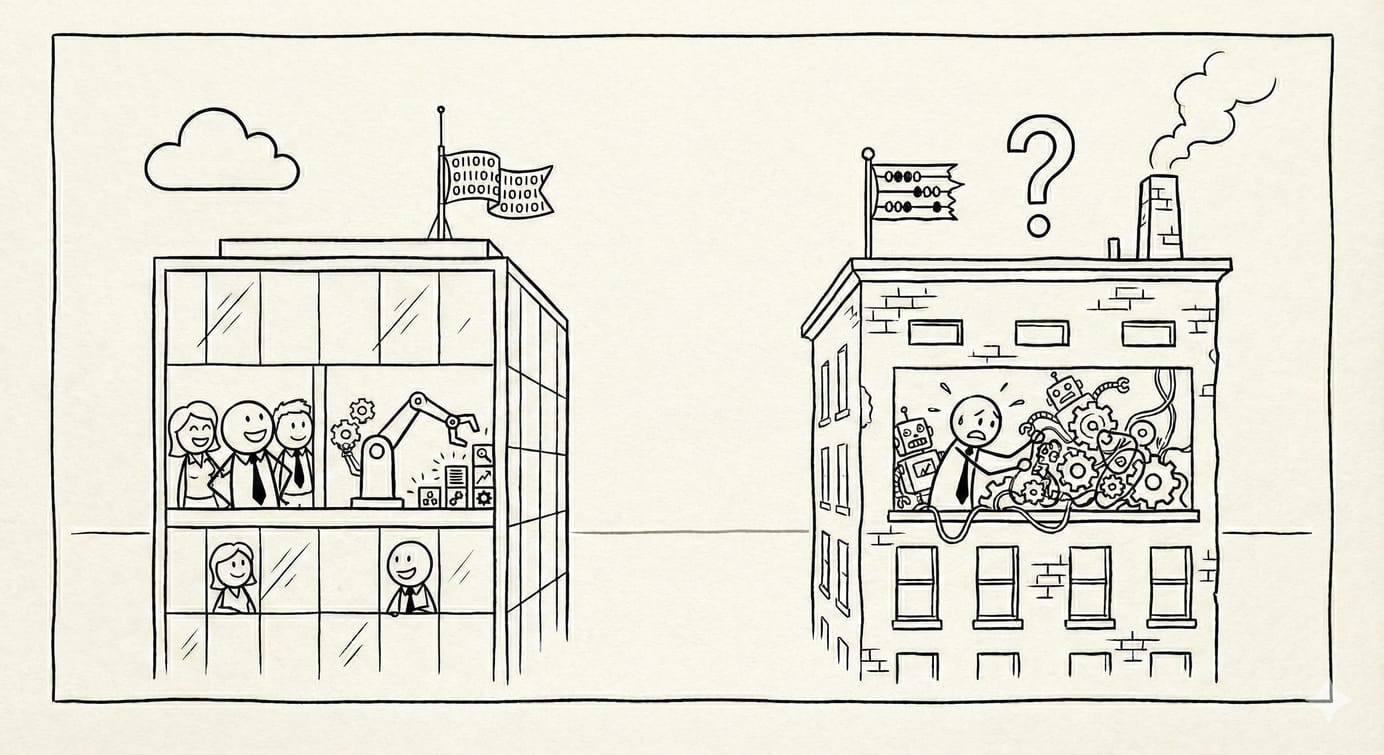
Fast forward five years and imagine two corporations. The first has driven a painful AI transformation, re-envisioning the enterprise through the lens of AI. By leveraging AI brains, wired into an extensive nervous systems (data context), with strong muscles (system integrations) anchored to an efficient skeleton (people and processes) they are able to operate in a smart, agile, and cost-effective manner. While the latter tripped up many competitors, sound leadership saw this through. Jobs have evolved to become less manual and more specialised; total employee numbers have not changed significantly.
The second organisation, by comparison, is using AI as a bolt on ("look ma, Copilot wrote this email for me") having left the majority of roles and processes in the organisation essentially unchanged. Unsurprisingly, they have lost significant ground to competitors and have had to resort to heavy cost-cutting to stay out of the red. If you ask employees and shareholders, they are likely to agree that recent years have been terrible. Bubble or no bubble, AI has disrupted their business and led to large numbers of involuntary redundancies.
There are many other important factors that will determine whether we end up in an AI utopia or dystopia, such as data privacy and AI ethics, AI sovereignty and security, and education and energy policies. What is clear is that these considerations aside, where we end up is to a large extent within our own control. Organisations need to transform if they wish to thrive in the years ahead, whatever their industry or background. To quote John Milton: "The mind is its own place, and in itself can make a heaven of hell, a hell of heaven."
Looking forward to next year, I hope leaders find the courage to confront the tough questions about AI's impact, navigate the turbulent tides of technology, and take a pragmatic and people-centric approach to building the organisations of the future. Humanity finds itself at a pivotal moment, and the decisions we make in the next 12 months will determine where on Dickens' spectrum of superlatives we land. Wishing you all a very happy and healthy 2026.
– Ryan
P.S. While navigating these corporate marathons, I am also preparing for a literal one: In April I will be running the London Marathon for the NSPCC, the UK's leading children's charity. If you have enjoyed my writing, would you consider making a donation to this worthy cause? Every donation helps protect children.

Cover image by Gemini.

Q* - Qstar.ai Newsletter
Join the newsletter to receive the latest updates in your inbox.