Minimum Viable Teams in the Age of AI

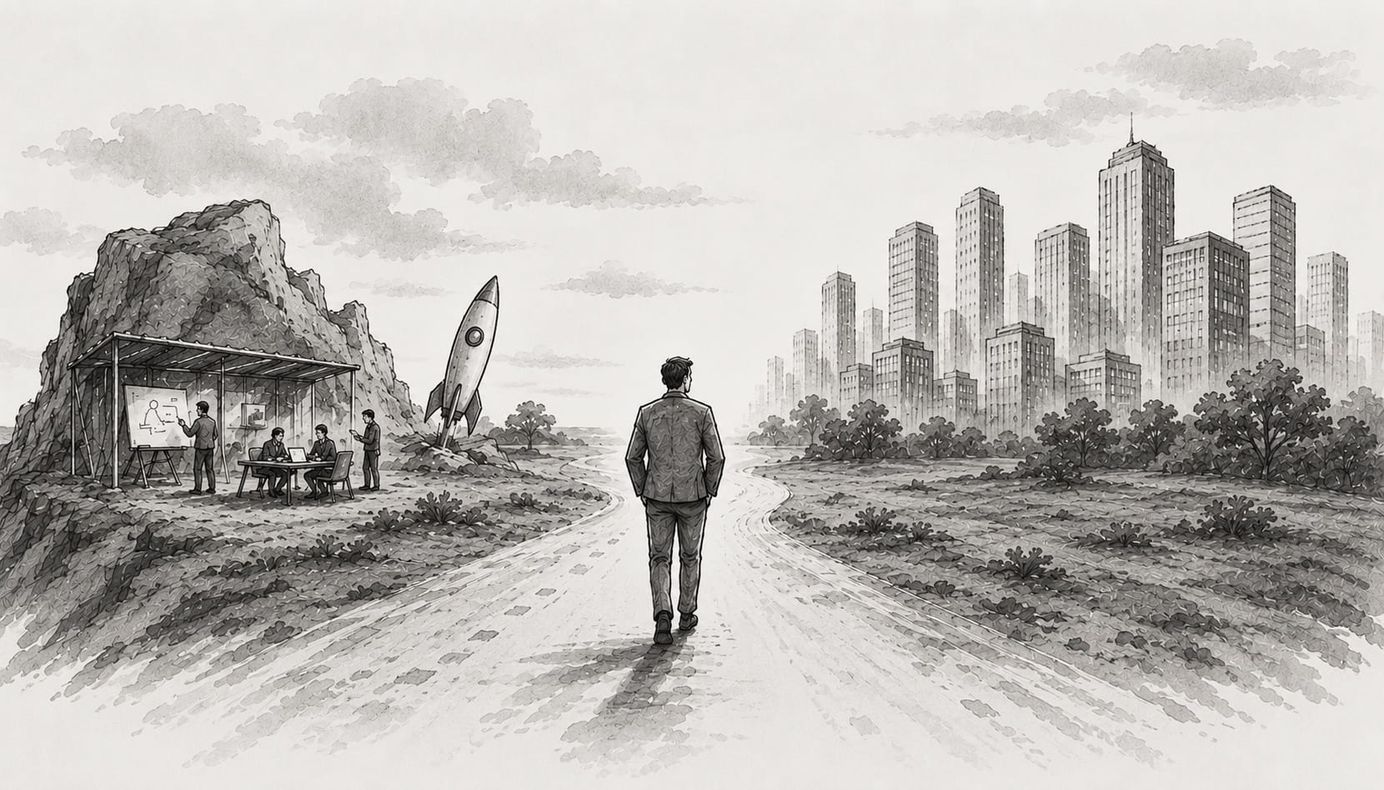
In my previous roles, a squad might have consisted of a product manager, a UX designer, four engineers, one QA, one integration specialist, and an architect. Nine people to build a product up to enterprise spec. Today, some of our AI squads have only three people: a technical product manager, an AI engineer, and an analytics engineer – the latter to own the context/semantic layer/nervous system. A two pizza team has shrunk to a one pizza team at best.
The idea of a minimum viable product has been a tenet of agile for years. How do you invest just enough effort to ship a product that meets the needs of your customers, or demonstrates that a particular approach can deliver value?
Historically, the focus of this idea has centred on tight scoping, ensuring requirements and feasibility are understood well enough to deliver maximum value with minimum effort. With the extraordinary advancements in AI capability, and the commensurate rise of AI coding agents, the question has now increasingly shifted to the amount of resources required to get to this MVP. There has even been discussion in startup circles of how long it will take before we see a single person startup with a billion dollar valuation: a solopreneur unicorn.
I see AI changing things in three ways. Firstly, it allows greater depth of skills. Where before you might need a senior engineer to ensure code quality, now a less experienced engineer can produce similar quality output when coached by AI tools – provided the prompts are robust enough. Secondly, it allows for individuals to cover a greater breadth of skills. Product managers can handle UX, engineers can create architecture assets, not to mention technical writing and documentation. Thirdly, it greatly increases the velocity of the above activities.

Naturally, there are caveats here. A product manager without taste will create poor UX outputs, no matter how clever the AI. Similarly, a stubborn engineer can champion overwrought architecture even when guided by the latest coding agents. Perhaps worst of all is the AI slop that emerges when agents are left to their own devices without human oversight. Input and output token costs, or tokenomics, are another thing to keep an eye on. For these reasons, even in smaller squads, constructive challenge is critical to maintain the quality bar.
Perhaps what is most interesting is that given the pace of development it is hard to know where the frontier lies. We have already had examples where a product manager has built and shipped a complete product end-to-end. Granted, it has limited integration with the rest of the wider estate, and the application is not particularly feature rich, but it is still a genuine product, deployed to colleagues, which solves a clear and pressing business need.
One lesson here is that product leaders need to reflect on how they design, build, and ship. Whether the nine become three – or the nine ship three times as much – is a choice, and most organisations make it by accident. However, arguably the more interesting question is how this evolving dynamic applies to other domains. What does a minimum viable team look like? In law, manufacturing, finance, pharma, or automotive, the nature of work is clearly evolving.
Whether organisations manage to capture this value will likely depend more on their ability to rethink their operating models and staffing assumptions than technical capability alone.
– Ryan
Cover image by ChatGPT.

Q* - Qstar.ai Newsletter
Join the newsletter to receive the latest updates in your inbox.