
Going Founder Mode: Enterprise Edition

It is a truism that one has to choose between start-up or corporate culture. The former is agile and chaotic, the latter slow and steady. One led by entrepreneurs, the other by managers and committees. Yet this dichotomy does not mean principles cannot be transplanted from one environment to the other.
Recently I came across an a16z post distilling seven principles from a talk by Airbnb's Brian Chesky – the same talk that prompted Paul Graham's essay 'Founder Mode'. While easy to dismiss as not germane to the Currys enterprise environment, reading them I realised that they were not just relevant – in recent months our team has adopted similar principles. Not because we want to be different, but because the pace of change has gone through the roof and we need the right behaviours to keep up.
I should note the original essay was not without its critics. These behaviours do not scale, they promote a culture of micromanagement, and moving at pace fails to bring the rest of the organisation along. Fair points, and one should certainly guard against excesses; success means balancing enterprise realities like corporate governance and business change with the benefits of any paradigm.
So what does Founder Mode entail, and what does it look like for our teams?
1) Be in the details
Whether stress-testing AI platform architecture, interrogating product value creation, or refining job specs, I try to keep close to our work. Not to micro-manage, but to ensure maximum alignment with outcomes and anticipate issues. That said, if I cannot add value to a meeting or process, I do not get involved.
2) Review the work on a cadence
In our weekly delivery meeting we not only review product progress, but we also reflect on how we are delivering – and whether we could do a better job. This rhythm has evolved as teams have grown, allowing us to ship faster and better.
3) Break the org chart
Whether n-1 or n-4 reports, everyone has a voice in the team – and I expect people to use it. I would rather people share challenges and opportunities directly than waste time percolating these valuable insights through management layers.

4) Hire experts, never pure managers
As our teams cover a number of domains, from AI and software through to customer and advertising, there is no one profile of ‘expert’. However, when recruiting for our team, we look for people who can be managers as well as operators. Simply put – no matter your role, you need to be able to ship.
5) Stay small and lean
Almost a decade ago, when I implemented a data product model at Dyson, the average squad size was around 7-8 people. With modern platforms and tooling, our squads are now half the size. This allows us to move faster and avoid paying too much 'communication tax' – another reason we minimise meetings.
6) Ship in launches
We like setting audacious goals, but nothing kills progress like distant milestones. Products ship fortnightly or even weekly, forcing us to be specific in what we are delivering and why it matters, as well as allowing us to gather valuable feedback.
7) Hire on results and references
While companies will often talk about diverse hiring, many bias to academic pedigree, blue chip names, or extracurriculars. We hire much more broadly, the only commonality being a drive to deliver great outcomes with great people.
I will not pretend it is effortless to create a bubble of Founder culture amidst a large, complex, multinational organisation. Products need to align with board priorities, shipping needs to adhere to corporate risk policies, and as much as we can eliminate meetings inside the team – we cannot force the rest of the organisation to follow. However, even a compromised version of the original principles is preferable to adopting the usual corporate bureaucracy.
At the end of the day, whether startup or enterprise, all of us are being subjected to disruption by AI: our customers, our colleagues, and our shareholders. When it comes to navigating both the challenges and opportunities ahead, I have no qualms about stealing battle-tested principles that promote good customer outcomes, high-quality products, and an engaged team. Besides, as one of our Currys values goes: "we own it." Sounds like Founder Mode to me.
– Ryan
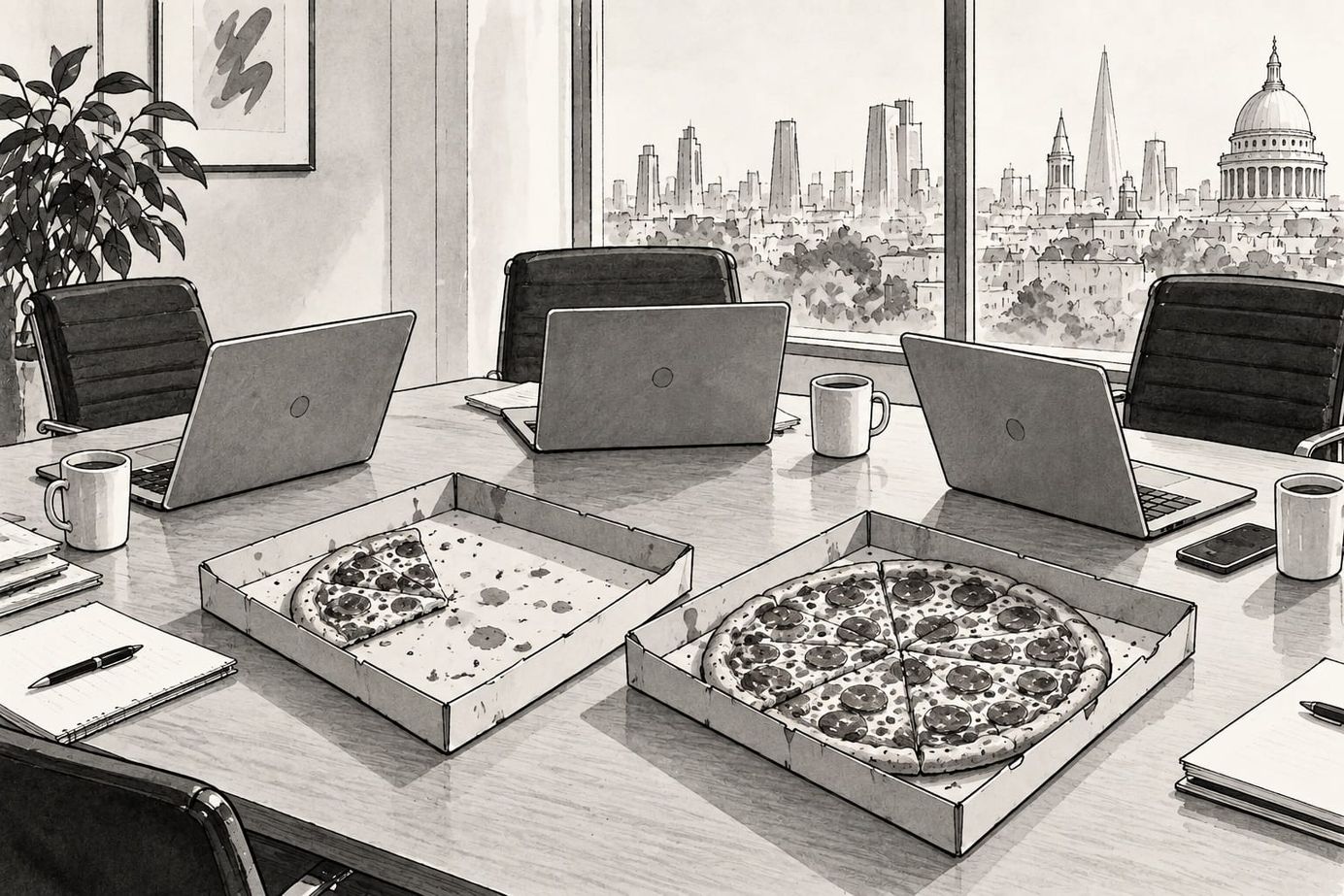
Cover image by ChatGPT.

Q* - Qstar.ai Newsletter
Join the newsletter to receive the latest updates in your inbox.